

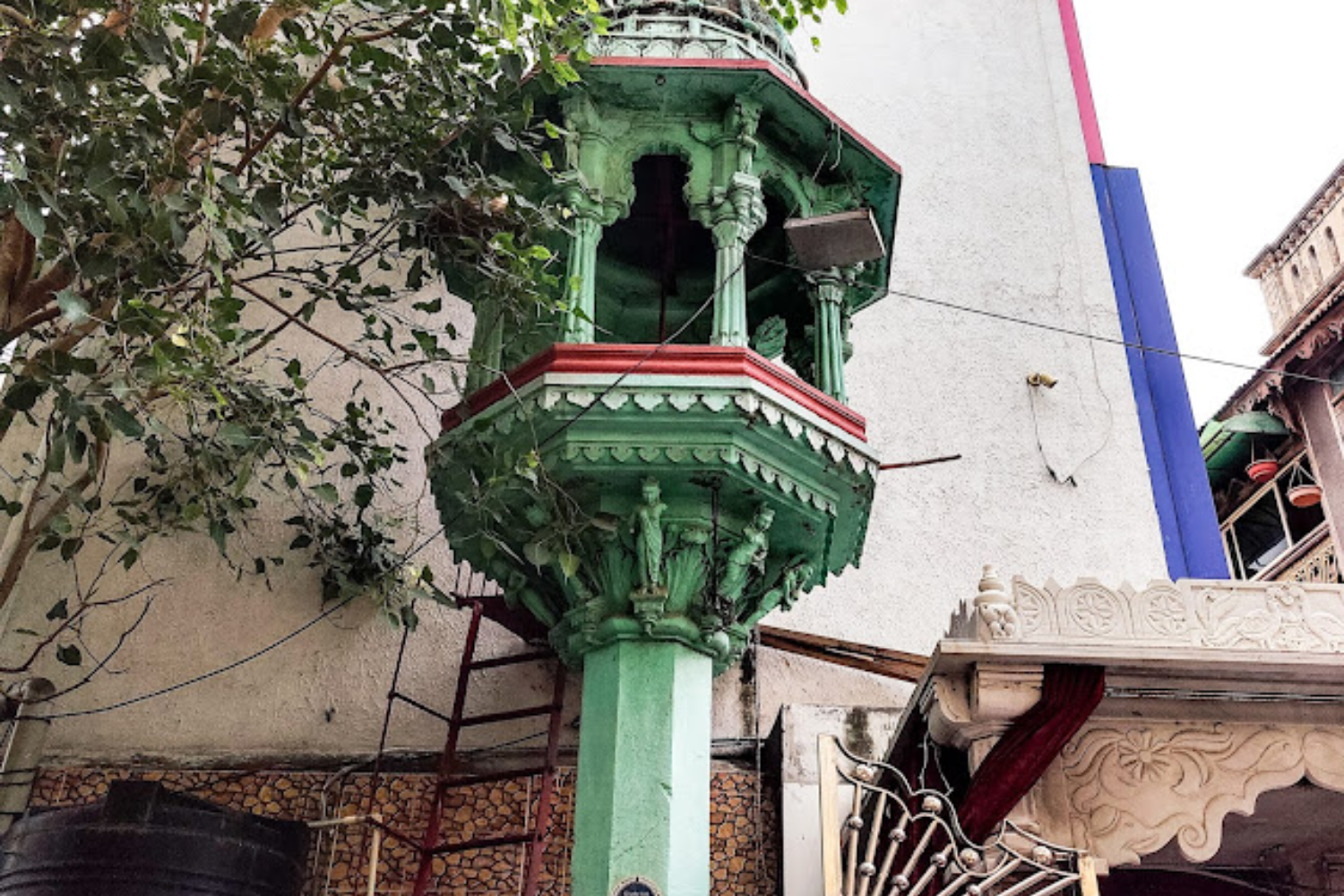
Ahmedabad, known as the "World Heritage City," offers a mix of historical and modern attractions, making it a compelling place to visit. As a child, I only knew Ahmedabad as a city in Gujarat famous for Jama Masjid, Sabarmati Ashram, and Kankaria Lake. I went to Ahmedabad for the first time in November 2023. The main highlight of this Ahmedabad tour was the Morning Heritage Walk.
I started at 8:00 am to explore the city with one of the guides from the heritage walk tour. Ahmedabad is divided into two parts: the old city and the new city. The new city is where the developments and hotels are located and where tourists usually come and stay, while the old city is where people go to explore the beautiful architectural and heritage pols of Ahmedabad. We started the walk from the famous Swaminarayan Temple in Kalupur. The temple is carved in Burmese teak, and every arch and bracket is painted with bright colors. There are several idols installed by Swaminarayan himself, as well as a display of some of his personal items and sculptures.Next, we explored the pols, starting with Kavi Dalpatram Chowk, famous for the house of the 19th-century Gujarati poet Dalpatram. The chowk houses a statue of the great poet. The next pol we visited was Haja Patel ni Pol, where we saw the Kala Ramji Mandir, a very old temple inside a residential neighborhood. It is unique as the idol of Lord Rama is in a sitting posture carved in black stone. After taking the blessings of Ramji, we went to Nisha Pol, known in Ahmedabad for its old Jagvallabh Jain Temple and its large, delicate Hindu architecture.
As we walked through the pols, we reached Zaveri Vad, an area mostly inhabited by the goldsmith community. There are many haveli-type houses with profusely decorated facades in the pol. Another pol inhabited by the goldsmith community is Doshivada ni Pol. We then visited Harkunvar Shethani ni Haveli, a 180-year-old haveli with 60 rooms, most of which open onto interminable pillared balconies supported by the longest carved wooden bracket in Ahmedabad. Along the way, we saw Fernandez Bridge and Chandla Ol, the largest old market. After all this, we went to Manek Chowk, a famous market in the morning. In the evening, food stalls open, and many people come to Manek Chowk to enjoy a variety of dishes. Then we went to Rani no Hajiro, built in the 15th century by the great Sultan Ahmed Shah. The hajiro is a vault for graves and served as the last resting place for queens of this empire. We also visited Badshah no Hajiro, Ahmed Shah’s Tomb, a medieval mosque and group of tombs in Ahmedabad. Finally, we went to Jumma Masjid, a place I really wanted to visit, as I had seen many pictures of this masjid. It is as beautiful as I had imagined. It is probably the largest mosque in the Indian subcontinent built in this period. The architecture of this mosque is a blend of Hindu and Muslim styling. Supported by 260 pillars, the Jama Masjid of Ahmedabad consists of 15 domes. Jama Masjid lies in the heart of the old city.To conclude this amazing heritage walk, my guide took me to try some delicious local delicacies at the famous Chandravilas, where I had dhokla, fafda, khandvi, and jalebi.
The heritage walk in Ahmedabad offers a deep dive into the city's rich cultural and architectural heritage. From intricately carved temples and historic pols to bustling markets and grand mosques, each stop on the walk tells a story of the city's past. The experience is a must for anyone looking to understand and appreciate the unique blend of traditions that make Ahmedabad a World Heritage City. I would really recommend everyone to do this heritage walk; otherwise, your Ahmedabad tour is definitely incomplete!